01
Quantitative
Surveys, ecosystem data, demographics, funding patterns, network patterns, and comparative analysis help establish what is happening and how widespread it is.
Social Impact + Ecosystem Research
Good ideas do not succeed in isolation. They depend on the ecosystem around them.
We help foundations, nonprofits, and social impact leaders understand the conditions shaping whether new ideas can emerge, gain traction, spread, and endure.
Through mixed-method research, deep listening, ecosystem analysis, participatory design, and storytelling, we surface what is already working, where change is getting stuck, and where investment can create the greatest leverage.
The question behind the work
Social impact organizations spend enormous energy identifying promising programs, interventions, and strategies.
But even excellent ideas struggle when the surrounding ecosystem cannot support them.
Relationships may be too fragmented. Capital may arrive at the wrong stage. Knowledge may fail to travel. Policy may prevent adoption.
The people closest to the problem may have voice without authority. Or a successful pilot may simply have nowhere to go next.
Our work looks beneath individual programs to understand the conditions that make sustained innovation possible.
In recent national child-welfare research, for example, we found a field rich with committed people and promising ideas but without consistent pathways for those ideas to move from experimentation to adoption and scale.
The question is not only “What should we fund?”
It is “What needs to be true for change to take root?”
Mixed-method research
01
Surveys, ecosystem data, demographics, funding patterns, network patterns, and comparative analysis help establish what is happening and how widespread it is.
02
Interviews, listening sessions, fieldwork, lived experience, and participatory research help reveal why it is happening and what the numbers cannot explain.
03
Narrative analysis and documentary storytelling reveal the assumptions, experiences, identities, and stories shaping how people understand what is possible.
We synthesize these forms of knowledge rather than privileging one over another.
The result is more than a landscape map.
It is a picture of how the ecosystem actually behaves, where its leverage points are, and what an organization can realistically influence.
The innovation ecosystem
Our ecosystem research examines a set of interconnected conditions that influence whether people can create, test, adopt, and spread better approaches.
01
Can the right people find and work with each other?
02
Does money show up at the right time, in the right shape?
03
Can useful ideas travel, adapt, and get put to work?
04
Can the right people come, grow, and stay?
05
Do policies, rules, procurement, and institutions make room for new things?
06
Do people know what they are working toward, and can the field question the stories shaping what feels possible?
07
Do people with different forms of knowledge have real influence over decisions and resources?
08
Can the ecosystem learn from what happens and change what it does next?
These conditions are not a scorecard or predetermined answer. They provide a lens for inquiry. The research tests which conditions matter most in a particular ecosystem, where strengths already exist, where friction is occurring, and what may be missing.
National field-building
Innovation ecosystem research with Holly Truitt
A national foundation wanted to understand a bigger question than which individual innovations deserved support:
What would make child welfare more capable of continuously generating, testing, adopting, and spreading better approaches?
Holly Truitt and Paige Williams began with discovery rather than predetermined solutions.
The first phase included thirteen in-depth conversations with child-welfare leaders, people with lived experience, funders, public-sector veterans, entrepreneurs, and ecosystem builders from adjacent sectors. The research looked for patterns across perspectives and examined both the barriers to innovation and the conditions that allow it to flourish.
Flexible and stage-appropriate capital
Stronger pathways from pilots to sustained adoption
Connective infrastructure across the field
Public-sector innovation and government as a market-maker
Knowledge transfer
Shared decision-making and lived-experience leadership
Research and development
Responsible risk and learning
The research is now expanding across multiple audiences to test where those patterns converge, where they differ, and which ecosystem conditions offer the greatest leverage.
“The study helped us see opportunity where we used to see obstacles: federal partnerships that could move money in new ways, relationships worth seeding, infrastructure worth building. It’s reshaping what we work toward, not just what we fund.”
Place-based research + storytelling
Meagher County, Montana
Sometimes the most useful research begins not with a failing system, but an outlier.
Meagher County had experienced decades of economic decline. Yet something unexpected was happening in and around White Sulphur Springs: businesses were opening, entrepreneurs were staying and returning, and a small rural community was developing an unusually strong entrepreneurial ecosystem.
Research conducted through the University of Montana examined what was driving that vitality.
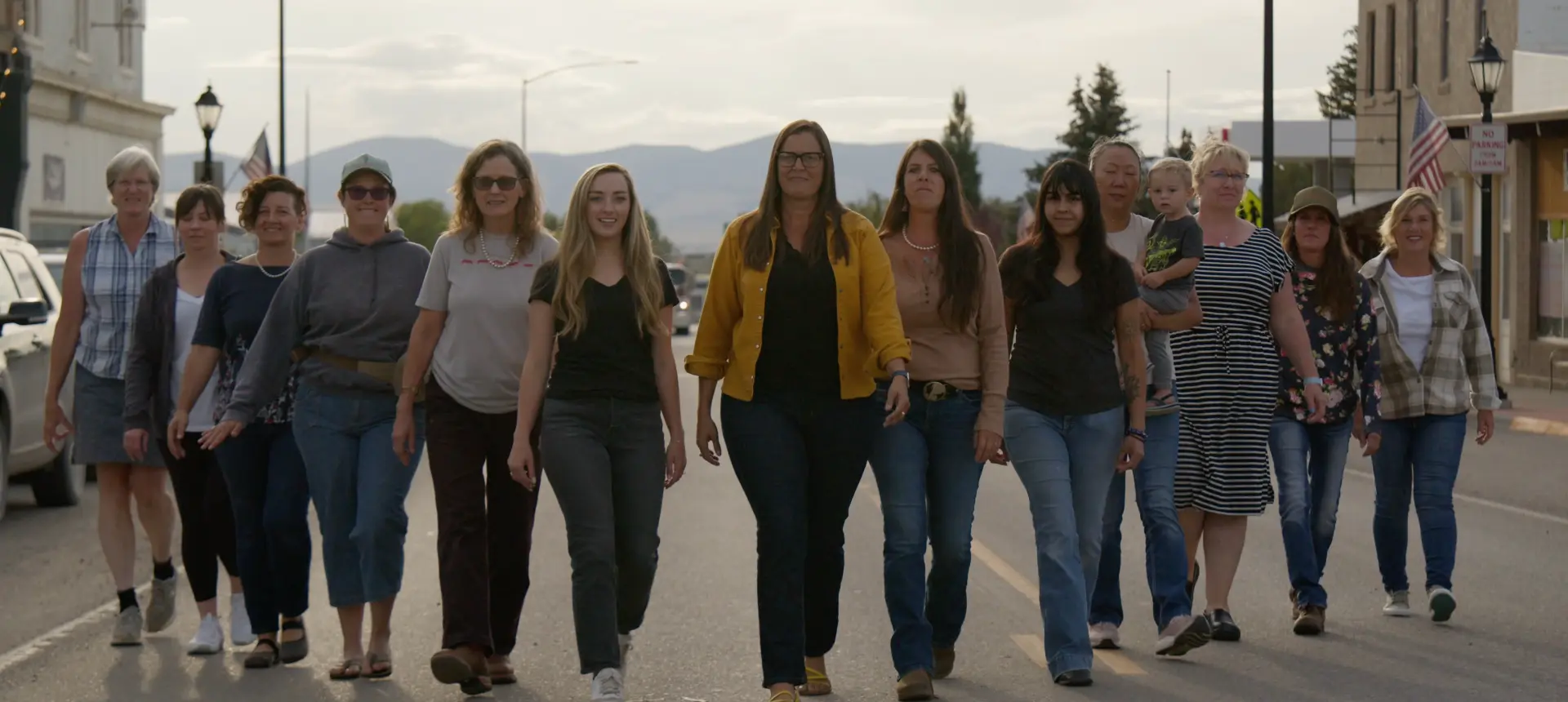
The study combined quantitative and qualitative methods.
The findings revealed an ecosystem shaped by unusually dense social relationships, high civic participation, women-led entrepreneurship, education, local financial institutions, community investment, and a culture willing to try new things. Nearly 98% of surveyed business owners reported volunteering in their community.
Paige’s documentary The Women of White Sulphur Springs explored the same community from another direction: getting close to the women building businesses, institutions, and community life and allowing their experiences to illuminate what quantitative data alone could not show.
The research showed the pattern.
The film showed the people creating it.
Together, quantitative research, qualitative inquiry, and documentary storytelling provide a richer understanding of how change actually happens in a place.
Explore the filmAn ecosystem study starts by understanding who is doing what, how people and resources connect, and what conditions surround the work.
But a map is not the destination.
The real value is understanding where movement is possible.
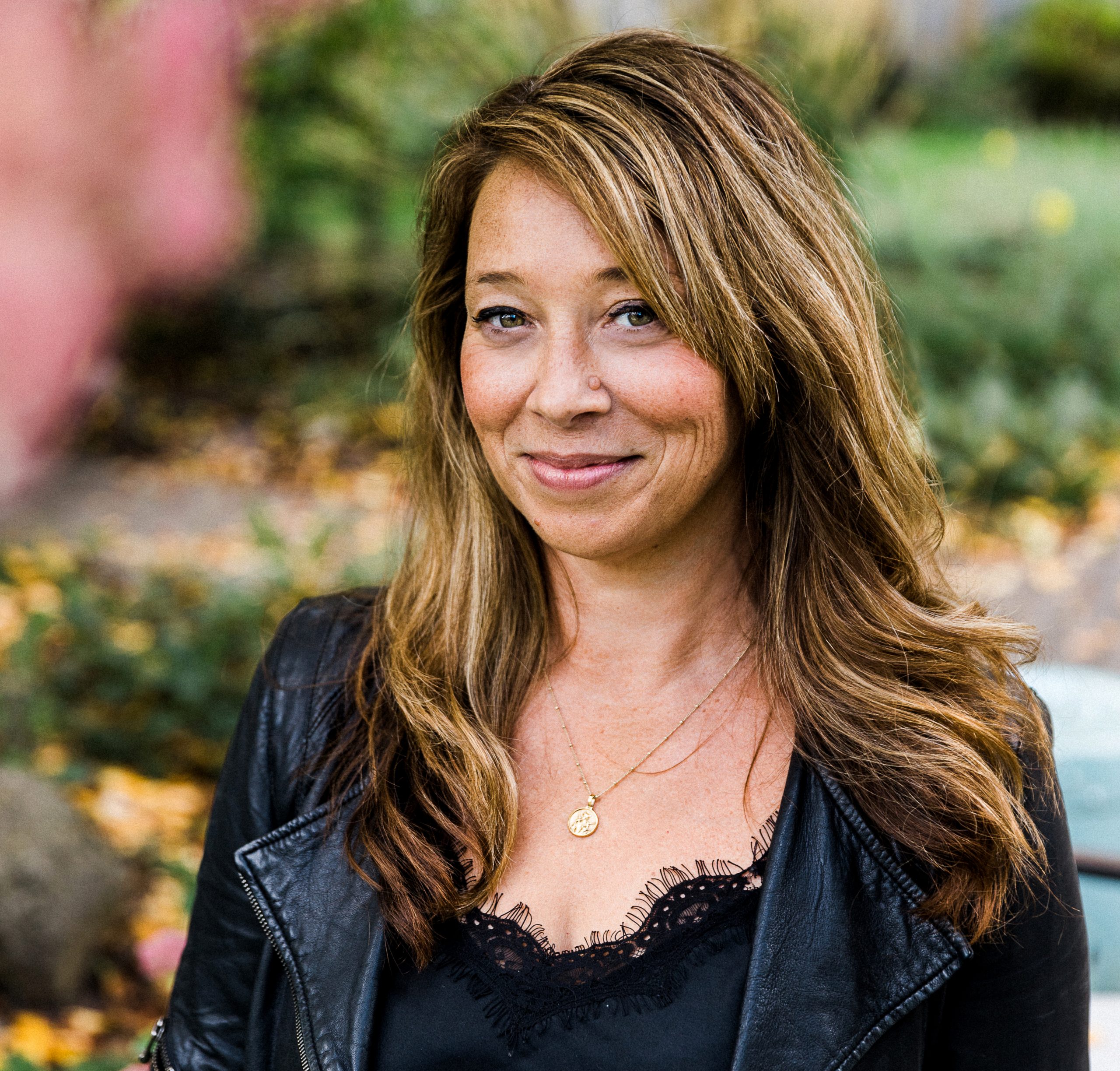
Holly Truitt
Innovation strategist · Researcher · Participatory designer
Holly helps foundations and cross-sector partners make sense of complex challenges and turn shared learning into action. Her work has been supported by the National Institutes of Health and National Science Foundation, with partners ranging from Tribal Nations to Harvard Medical School and Fortune 500 companies.

Paige Williams
Researcher · Filmmaker · Entrepreneur · Narrative Intelligence pioneer
Paige works at the intersection of research, narrative, entrepreneurship, and social change. Her documentary and research practice brings data, lived experience, and storytelling together to surface patterns that can remain invisible from inside a system.
Together
Holly examines how innovation moves through systems. Paige examines how people make meaning inside them.
Together, we study both the conditions surrounding change and the human experiences, narratives, and relationships that determine whether it becomes possible.
If you are trying to strengthen a field, understand a place, build an innovation ecosystem, or decide where philanthropy can create the greatest leverage, we can help you see the system more clearly.
Ecosystem Research · Field Building · Participatory Research · Social Impact Strategy · Documentary + Narrative Research
Tell us about the field, place, or system you are trying to understand.