01
Quantitative research
Surveys, ecosystem data, demographics, funding patterns, network patterns, and comparative analysis establish what is happening and how widespread it is.
The Ecosystem Study
A strong idea is only as viable as the ecosystem it has to live in.
We help foundations, philanthropies, field-building organizations, place-based funders, and cross-sector initiatives understand why change is—or is not—taking hold.
Through mixed-method research, deep listening, ecosystem analysis, participatory design, and narrative inquiry, we reveal what is already working, where movement is constrained, and where your organization can create meaningful leverage.
The strategic question
Organizations often begin with a solution: a program to fund, a pilot to scale, a partnership to launch, or a strategy to implement.
But the decisive barriers may sit outside the solution itself. Capital may arrive at the wrong stage. Relationships may be too fragmented. Knowledge may not travel. Policy may block adoption. The people closest to the issue may have voice without authority.
An ecosystem study steps back from the individual intervention to ask what surrounds it—and what must become true for better approaches to emerge, spread, and endure.
The question is not only “What should we fund?”
It is “What needs to be true for change to take root?”
When to commission a study
You can see promising work, but it is not spreading or sustaining.
Many actors are working on the same challenge, but their efforts remain fragmented.
You need to decide where funding could create the greatest leverage.
A pilot worked, but the path from experimentation to adoption is unclear.
People closest to the issue are being heard, but are not shaping decisions or resources.
The field has data about outcomes, but not a shared understanding of why change is getting stuck.
How we study an ecosystem
We combine forms of knowledge that are too often separated. The work is rigorous enough to reveal patterns and human enough to explain them.
01
Surveys, ecosystem data, demographics, funding patterns, network patterns, and comparative analysis establish what is happening and how widespread it is.
02
Interviews, listening sessions, fieldwork, and lived experience reveal why patterns exist and what the numbers cannot explain.
03
We examine how actors, resources, knowledge, policy, and institutional structures interact across a field or place.
04
The people inside the ecosystem help interpret what is being learned and shape what should happen next.
05
We surface the assumptions, identities, and stories influencing what people believe is possible—and whose knowledge carries authority.
The result is a picture of how the ecosystem actually behaves—not simply who appears on an organizational chart or landscape scan.
The engagement
Each study is designed around the field, place, and decision at hand. The work typically moves through six connected stages.
Clarify the decision, field, or place the study needs to illuminate.
Gather perspectives across roles, institutions, and forms of lived and professional knowledge.
Make relationships, resources, pathways, gaps, and structural constraints visible.
Synthesize quantitative, qualitative, ecosystem, and narrative patterns.
Identify the conditions where focused action could unlock meaningful movement.
Translate learning into strategic choices, partnerships, and next steps.
The innovation ecosystem
These conditions give the inquiry structure without turning it into a scorecard. The research tests which ones matter most, where strengths already exist, and where friction is occurring.
Can the right people find and work with each other?
Does money show up at the right time, in the right shape?
Can useful ideas travel, adapt, and get put to work?
Can the right people come, grow, and stay?
Do policies, rules, procurement, and institutions make room for new things?
Do people know what they are working toward—and can they question what feels possible?
Do people with different forms of knowledge have influence over decisions and resources?
Can the ecosystem learn from what happens and change what it does next?
What you leave with
The scope and format are tailored to the question. The aim is not a report that sits on a shelf, but shared understanding your organization can act on.
A clear picture of the actors, relationships, resources, pathways, and structures surrounding the work.
An integrated account of what the data and people are revealing across the ecosystem.
The places where focused investment, connection, or structural change could enable movement.
Practical choices grounded in what your organization can realistically influence.
A shared process for interpreting findings, testing assumptions, and deciding what comes next.
The work in practice
A national foundation wanted to understand what would make child welfare more capable of continuously generating, testing, adopting, and spreading better approaches.
Holly and Paige began with discovery rather than predetermined solutions. Thirteen in-depth conversations brought together child-welfare leaders, people with lived experience, funders, public-sector veterans, entrepreneurs, and ecosystem builders from adjacent sectors.
The work surfaced opportunities around capital, adoption pathways, connective infrastructure, public-sector innovation, knowledge transfer, shared decision-making, research and development, and responsible risk.
“The study helped us see opportunity where we used to see obstacles: federal partnerships that could move money in new ways, relationships worth seeding, infrastructure worth building. It’s reshaping what we work toward, not just what we fund.”
The team
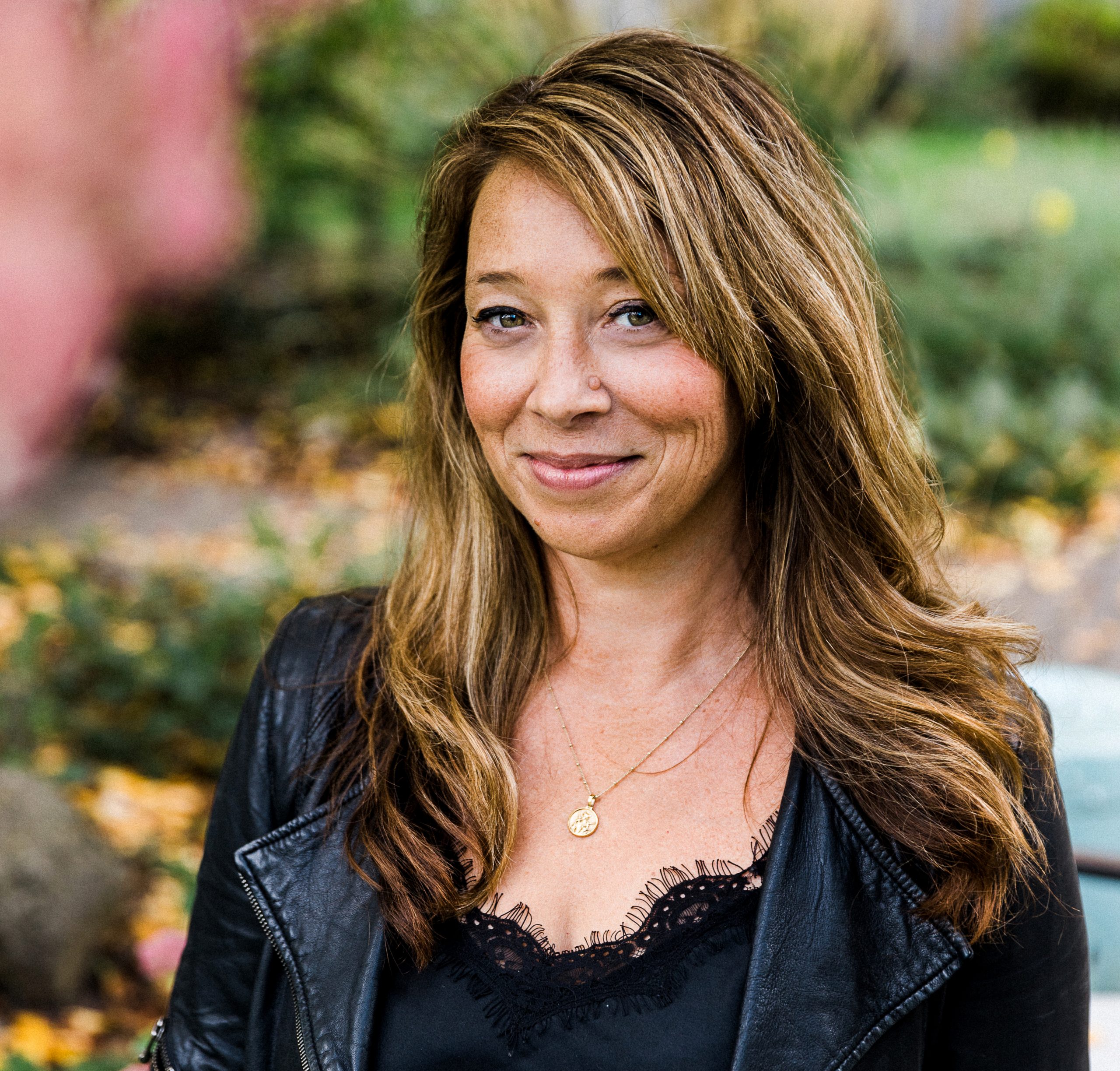
Holly Truitt
Innovation strategist · Researcher · Participatory designer
Holly examines how innovation moves through systems—helping foundations and cross-sector partners turn complex, shared learning into action.

Paige Williams
Researcher · Filmmaker · Entrepreneur · Narrative Intelligence pioneer
Paige examines how people make meaning inside systems—bringing data, lived experience, narrative, and storytelling together to surface what can otherwise remain invisible.
Together, we study both the conditions surrounding change and the human experiences, narratives, and relationships that determine whether it becomes possible.
Start with the system
Tell us about the field, place, or issue you are working in and the decision your organization is facing. We will begin by determining whether an ecosystem study is the right fit.
Ecosystem Research · Field Building · Participatory Research · Social Impact Strategy · Narrative Analysis
Share what you are trying to understand and where the work stands now.