Strategic Advisory for innovators — now booking.

DOCUMENTARY FILMS

Stories change the world.

Long before Paige Williams began developing Narrative Intelligence, she was using documentary film to explore the stories people inherit, live inside, question, and sometimes change.

Her films have taken her from a small Montana town to the halls of Congress to the deeply personal terrain of family, faith, sexuality, and belonging.

Some opened conversations. Some influenced systems. All began with the same instinct:

Get close enough to the story to see what is really there.

Explore select Williams films

Latest documentary

The Women of White Sulphur Springs

What can one rural Montana community teach us about women, entrepreneurship, and what makes a place thrive?

In White Sulphur Springs, Montana, something unusual is happening.

In a rural community where population loss and economic decline might be the expected story, women are helping build something different.

The Women of White Sulphur Springs explores the women entrepreneurs, business owners, community builders, mentors, and neighbors whose work is helping create a thriving rural ecosystem in Meagher County.

The film grew out of research examining why some rural communities thrive while others struggle. What emerged was not simply a story about individual entrepreneurs.

It was a story about relationships. Mentorship. Access to capital. Family. Community investment. Collaboration.

And the often underrecognized role women play in creating local economic resilience.

The film brings the research to life through the people living it. Rather than asking only what is wrong with rural America, it asks a different question:

What is working here, and what can we learn from it?
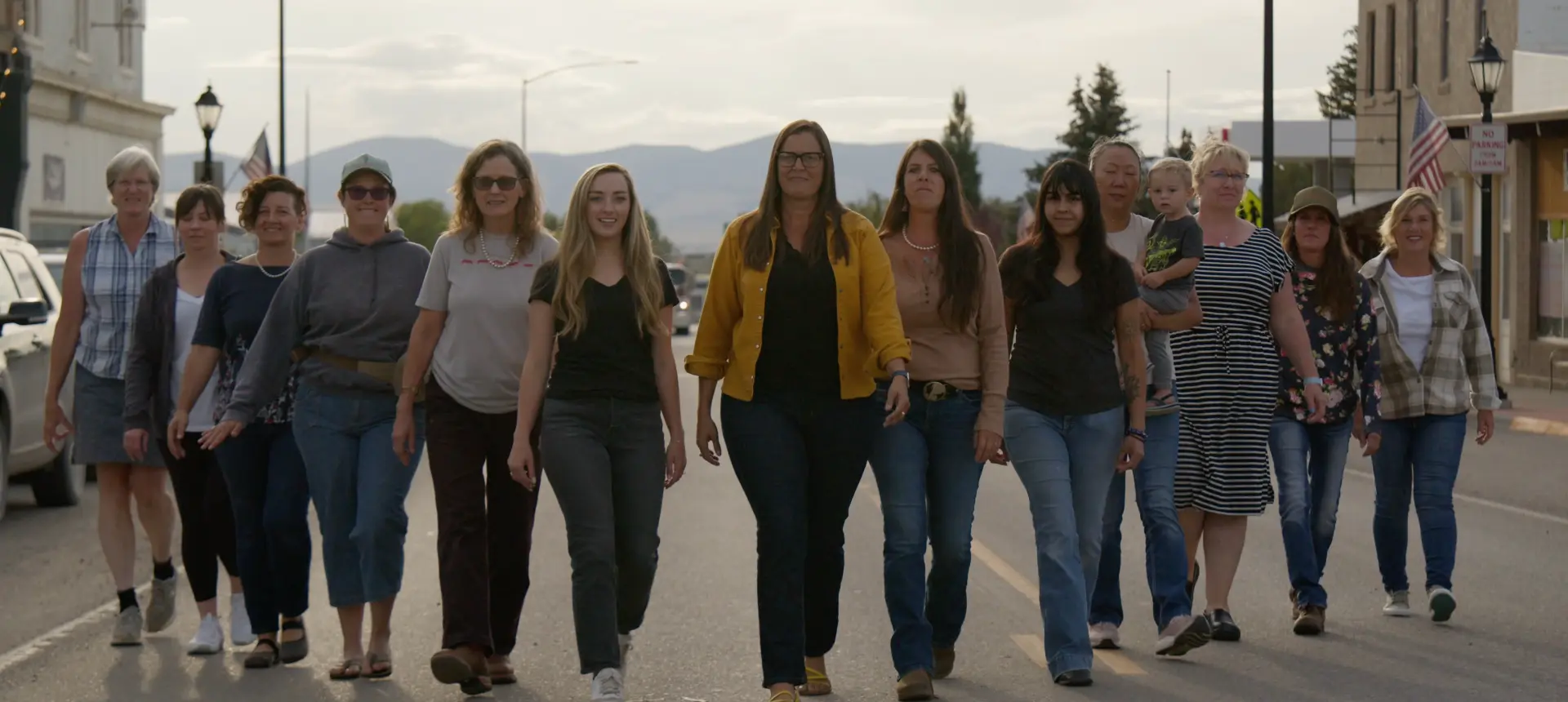
Three women walking down a street in White Sulphur Springs, Montana

The film in the world

Research becomes story. Story becomes something people can see themselves inside.

The documentary was created in connection with research into thriving rural entrepreneurship conducted through the University of Montana.

It premiered in White Sulphur Springs in July 2026 in conjunction with the Red Ants Pants Music Festival, bringing the research back to the community whose experiences helped shape it.

The film creates a public-facing companion to academic research, making the findings visible through the lives, choices, relationships, and experiences of the women building the community.

  • Rural economic development
  • Women’s entrepreneurship
  • Community resilience
  • Research + documentary

The film is not yet publicly available.
Documentary · Child welfare

From Place to Place

What happens when young people who have been moved through the foster-care system are finally given a seat at the table?

From Place to Place began with young people who had spent much of their childhoods moving from one temporary placement to another inside America’s foster-care system.

Then they turned 18. And the system they had depended upon largely disappeared.

The film follows young people from Montana as they navigate life after foster care and begin asking a bigger question:

Why does the system work this way, and who gets to decide how it should change?

What began as a documentary became something much larger. The young people in the film became advocates. Their personal stories moved out of Montana and into rooms where national child-welfare policy was being discussed.

Young people featured in the documentary From Place to Place

The film in the world

The film didn’t end when the credits rolled.

During production, young people featured in From Place to Place traveled to Washington, D.C., where their experiences became part of national conversations about foster-care reform.

They participated in conversations with lawmakers, researchers, advocates, and child-welfare leaders and helped bring the lived experience of foster youth directly into policy discussions.

Those conversations helped shift a fundamental dynamic: young people who had experienced foster care were not simply subjects of policy. They became participants in shaping it.

From MontanaTo Capitol HillFrom subjects of the systemTo voices in changing it

The work surrounding the film became part of a broader youth-led advocacy movement that informed congressional conversations, policy priorities, and subsequent child-welfare reforms.

For Paige, the experience fundamentally changed her understanding of what story could do. A film could create empathy. But story could also create access.

It could put people who had been excluded from a conversation into the room. And once they were there, the story could begin changing the system itself.

“There’s nothing like a real-life story to put a face and focus on a project.”— Senator Chuck Grassley
Watch From Place to Place

Documentary · Identity + faith

Mississippi Queen

What happens when the story your family believes about you is fundamentally different from the story you know to be true?

Before Paige made films about systems, she turned the camera toward the story closest to home.

Paige grew up Southern Baptist in Mississippi. She came out as a lesbian at seventeen. Years later, her parents were running Mississippi’s only ex-gay ministry.

Mississippi Queen follows Paige back into the world she came from as she tries to understand the collision between faith, family, sexuality, belonging, and love.

Instead of making a film about villains and heroes, Paige entered the story as both filmmaker and daughter.

She interviewed people across the ideological divide, including people involved with ex-gay ministries, LGBTQ people navigating faith and identity, religious leaders, and her own parents.

At the center was an intensely personal question:

Can people who hold fundamentally different stories about one another remain in relationship?

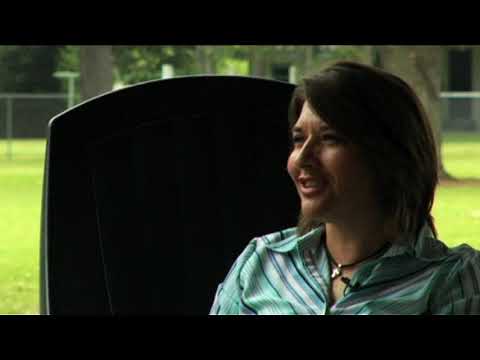
Still from Paige Williams’s documentary Mississippi Queen

The film in the world

A private family conflict became a public conversation.

Mississippi Queen moved the conversation out of one Mississippi family and into theaters, festivals, classrooms, LGBTQ communities, faith communities, and living rooms around the country.

The film screened at more than 100 film festivals, won multiple festival awards, and was distributed through Sundance Networks. But its larger impact was the conversation it made possible.

At a time when ex-gay ministries and attempts to change sexual orientation remained highly visible in American religious culture, the film brought audiences inside the emotional complexity of what those beliefs could mean for an actual family.

It did not ask viewers merely to choose a side. It asked them to sit inside the contradiction.

Faith and sexuality. Conviction and relationship. Belonging and rejection. Love and the stories people tell themselves about what love requires.

  • 100+ film festivals
  • Award-winning documentary
  • Sundance Networks distribution
  • National conversation about faith + LGBTQ identity

Mississippi Queen established something that would continue through Paige’s later work:

When a story remains abstract, it is easy to defend. When we encounter the human being living inside it, something can change.

Watch Mississippi Queen

Three films · One continuing question

What happens when we make the story visible?

Community

The Women of White Sulphur Springs

What stories help a place understand what makes it thrive?

Systems

From Place to Place

Whose stories are missing when institutions make decisions about people’s lives?

Identity

Mississippi Queen

What happens when the stories people inherit about one another collide with lived experience?

The subjects changed. The question underneath them did not.

What stories are shaping what people can see, believe, choose, and change?

Paige did not have the language of Narrative Intelligence when she made these films. The films helped lead her to it.

Documentary filmmaking taught her that stories are not simply things we tell. They shape identities. Relationships. Institutions. Communities. Policy. And what people believe is possible.

From documentary to Narrative Intelligence

The camera came first. The inquiry kept growing.

Filmmaking taught Paige to listen for the story underneath the story.

Why does this person understand the world this way? Where did that narrative come from? What happens when another person’s experience contradicts it? What becomes possible when people can see the story they have been living inside?

Those questions now sit at the center of Paige’s work on Narrative Intelligence: a human capacity for working consciously with the stories through which we interpret experience.

The medium has expanded. The inquiry continues.

Paige Williams

Paige Williams is an award-winning documentary filmmaker, bestselling author, strategic advisor, entrepreneur, and creator of the Narrative Intelligence framework.

Her documentary work has explored LGBTQ identity and faith, America’s foster-care system, rural entrepreneurship, women’s leadership, and the relationship between story and real-world change.

After her early documentary career, Paige founded AudPop, a media technology company built to connect diverse filmmakers with audiences, brands, funding, and opportunity.

Today, film remains one part of a larger body of work examining how stories shape identity, agency, leadership, culture, and change.

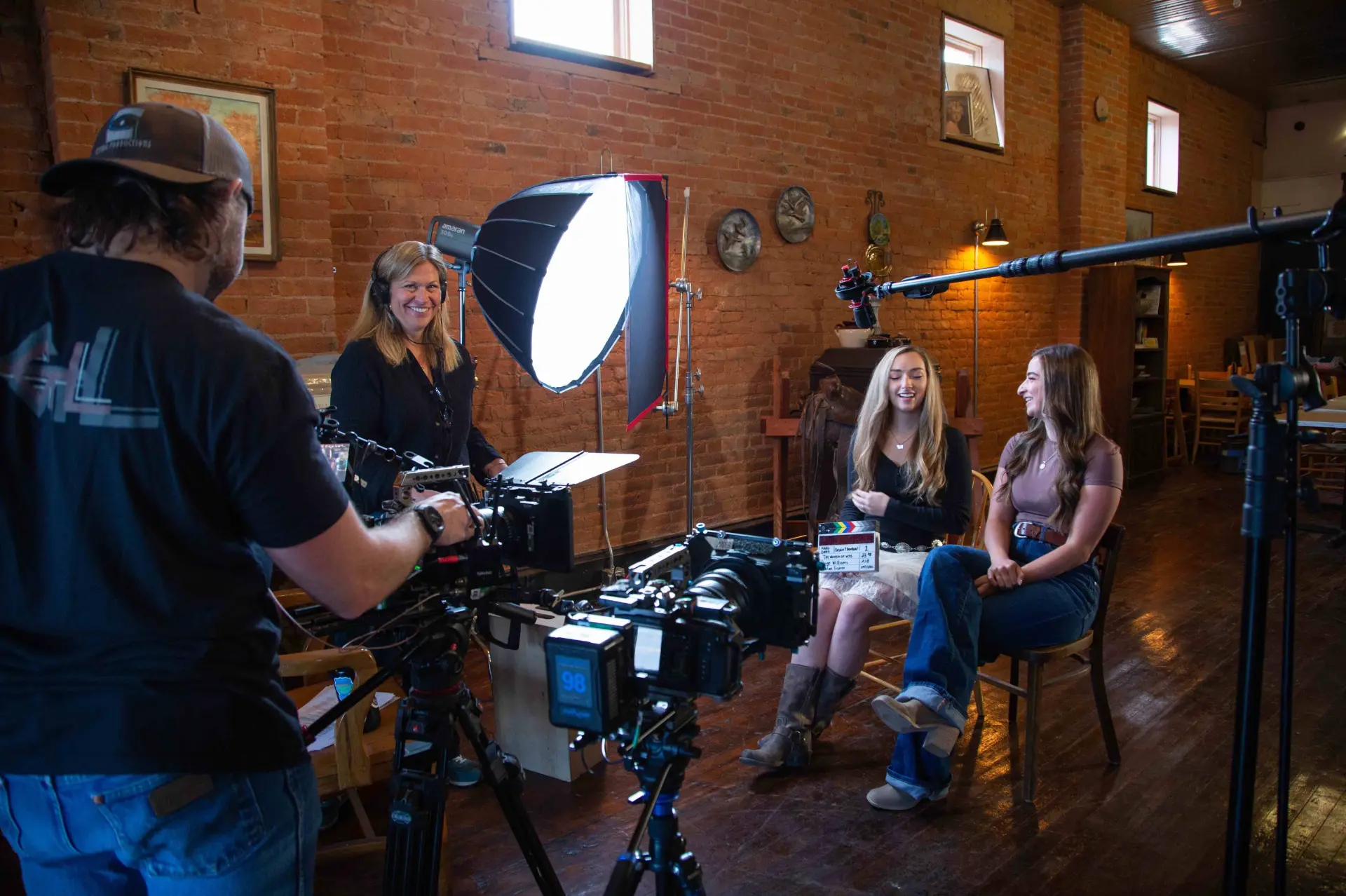
Paige Williams directing a documentary interview in Montana

Change the story, and something else may become possible.